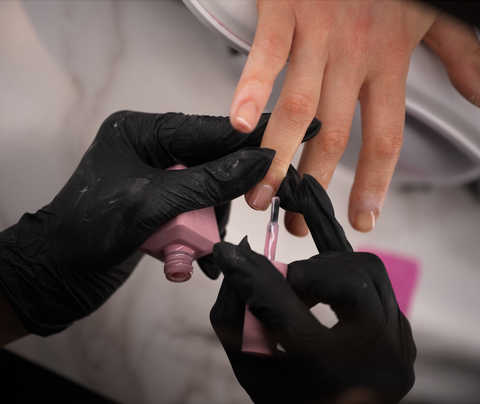
Step-by-step dry pedicure method
Restorative Waterless Foot Care begins with precise nail and cuticle attention: trimming, shaping, and careful cuticle work to support nail health without an initial soak. Technicians then address heel and sole refinement with targeted mechanical smoothing, followed by gentle exfoliation and an intensive hydration phase. A finishing foot and lower-leg massage promotes immediate comfort and circulation without relying on soaking.
Throughout the service the technician gauges pressure, exfoliation depth, and hydration needs based on visible skin condition and client feedback. Because the treatment is waterless, adjustments focus on mechanical callus refinement and topical moisturizers rather than softening by soaking. Guests who prefer dryness, elevated sanitation, or targeted callus care find this approach more controlled and predictable.
Sanitation and client comfort
The waterless format responds to guests seeking elevated sanitation and a restorative alternative to traditional soaks. Avoiding communal soak basins reduces opportunities for cross-contamination associated with standing water; technicians follow Studio Chique protocols for instrument cleaning and single-use disposables where appropriate. Many local commuters and parents appreciate this approach for efficient, hygienic care before or after work in the Langdon neighborhood.
Comfort decisions are made with practical local life in mind: the dry finish prevents wet shoes after a treatment, which is useful during Washington’s humid summers or when clients are commuting via Rhode Island Ave–Brentwood or Brookland-CUA Metro stations. Clients can tell their technician about sensitivity, recent treatments, or footwear plans so the service can be adjusted for immediate comfort and convenience.
Results, expectations, and care
Clients can expect neater nails, smoother heels and soles, better skin hydration at the treatment site, and short-term relief from roughness. The service emphasizes maintenance and comfort rather than permanent correction; outcomes depend on each person's skin type, activity level, and local climate. Technicians will explain realistic expectations and suggest follow-up options based on what they observe during the 75-minute session.
Aftercare focuses on preserving the treatment: gentle daily moisturizers, breathable footwear, and following any technician recommendations. Because Washington, DC’s humid subtropical climate affects skin moisture and callus recurrence differently through the year, home care and periodic follow-ups will influence how long improvements last. For specific medical concerns, consult your healthcare provider before booking.